

When Microsoft introduced Power Apps and the suite that later turned into the low-code application platform called Power Platform, one of the key principles was that you don’t need a license to build things. The licensing model for premium features was based on users, not makers. This seat-based approach was well in line with the Office 365 / Microsoft 365 commercial model and the commerce engine managing licensing.
In 2026, most of the app-building scenarios that vendors like Microsoft are promoting rely on AI-driven workflows. Instead of starting from the familiar PowerPoint + Excel-style GUI of canvas apps studio, the work now starts with a prompt. Then, an LLM will process it and start assembling the necessary artifacts to deliver the app, automation or agent.
The initial Copilot sidecar experiences that Microsoft added into basically every product were more like chatbots rather than actual AI agents. They weren’t able to help app builders much, but they also didn’t cost much to operate for the platform vendor. Today, when agent harnesses like Claude Code can leverage frontier models to perform real software development work, AI is much more capable. It is also considerably more expensive to run.
New experience = new license requirements
There are a number of signals in Microsoft’s current products that show us how the days of free AI for builders are coming to an end. Let’s look at three examples where builder features that were initially bundled into the product license have since been restricted or “reimagined”.
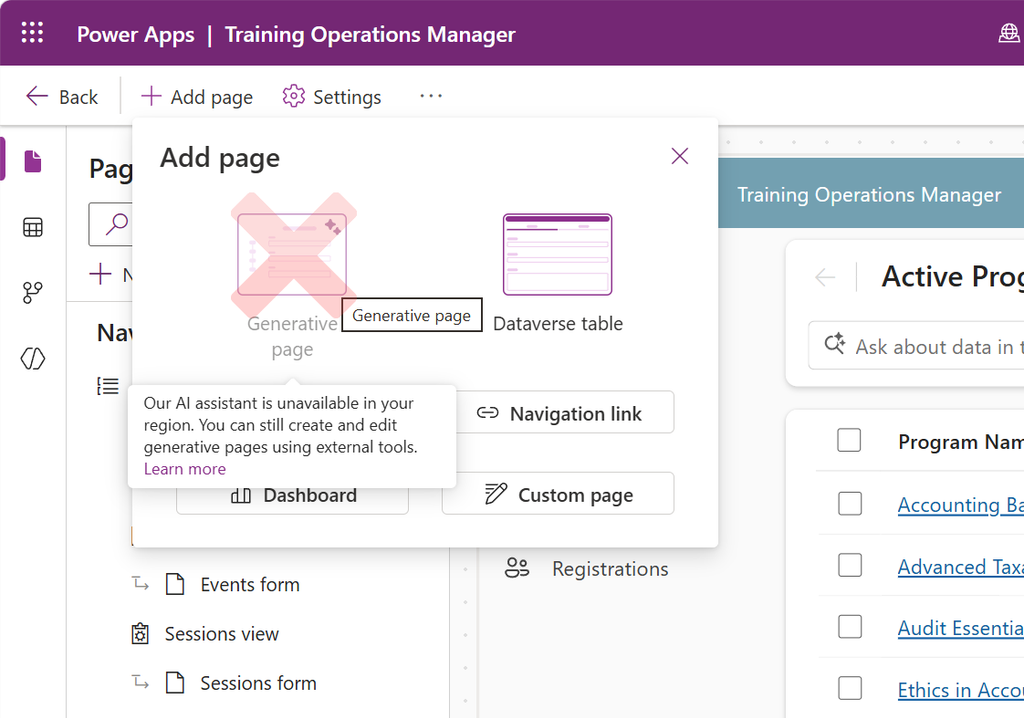
Generative Pages have been announced as Generally Available since November 2025. And yet the built-in designer has not been made available outside four specific geos. For everyone else, building Generative Pages is perfectly possible with external tools – when you bring your own coding agent and tokens.
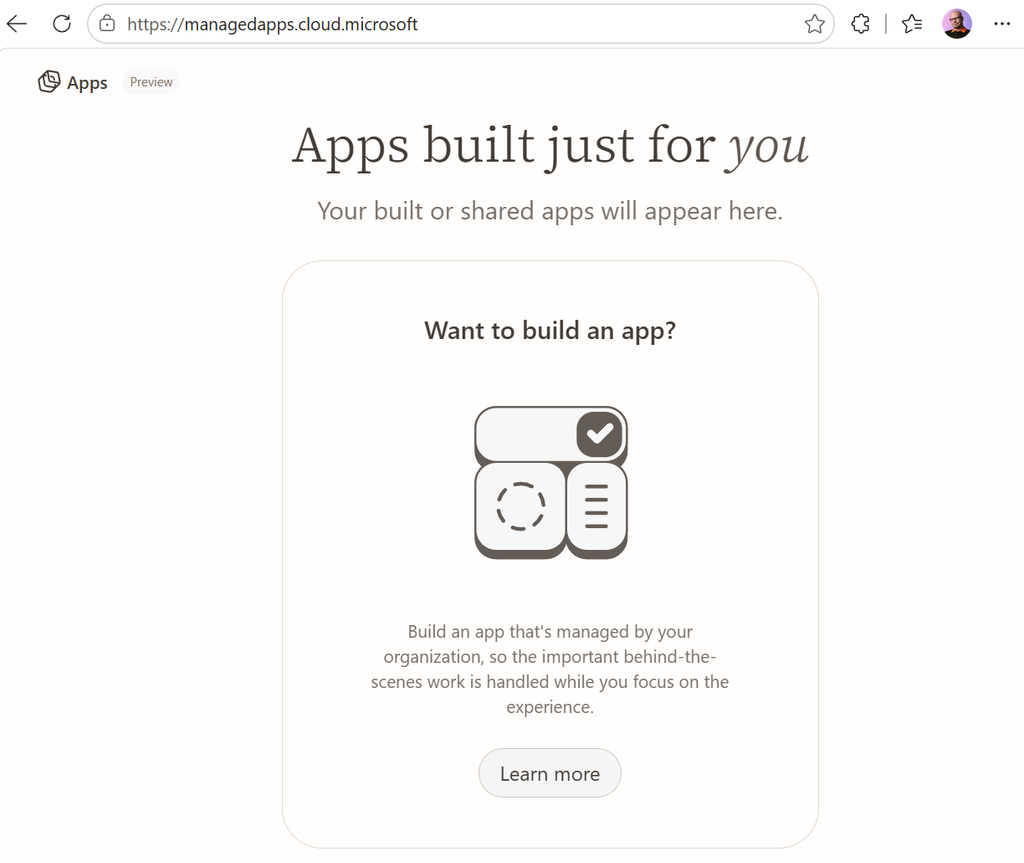
Power Apps Vibes Apps is another AI-driven app builder experience that launched around the same time as Generative Pages. Similarly, it remains geo restricted to the US and a few other regions. Recently, we’ve seen the concept of Copilot Studio apps appearing on Microsoft’s materials and sites. For instance, the Managed Apps landing page includes references to UI strings like “Monthly Copilot Studio limit reached” / request credits from admin.
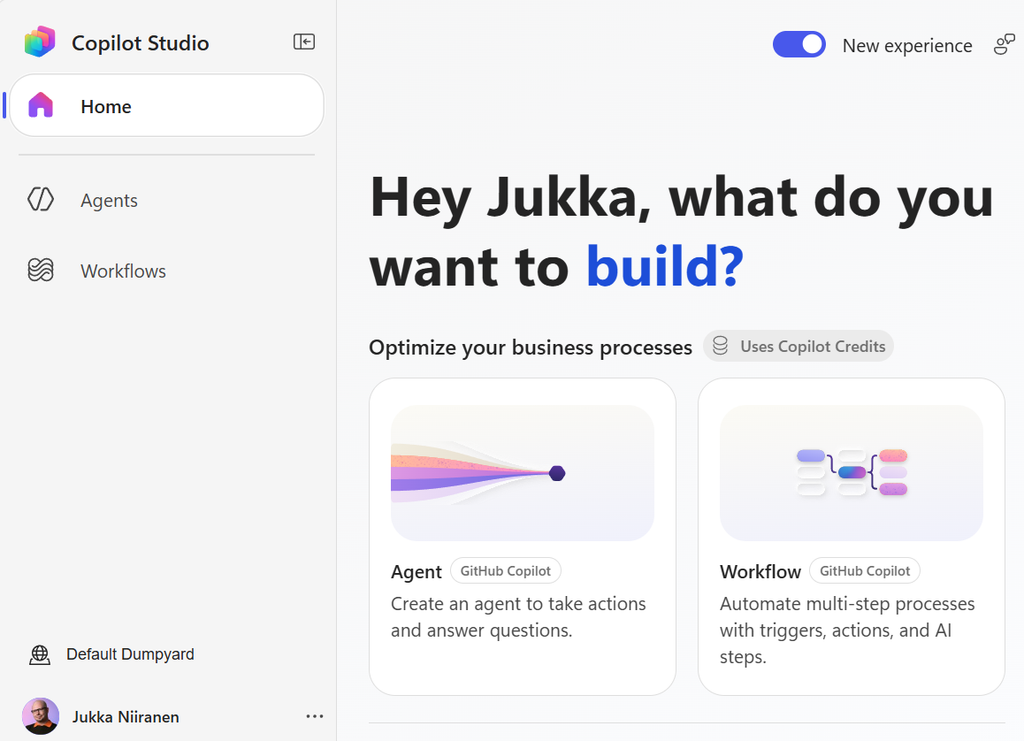
On the publicly available side of Copilot Studio, the new GitHub Copilot harness has challenged the old licensing assumptions of customers. Now, the default path for building agents and workflows is no longer zero-rated for users holding the Microsoft 365 Copilot premium per-seat license. In addition, every building and testing action that consumes tokens will also require Copilot Credits right from the start.
AI credits as the new baseline
From a business perspective, it may seem odd how Microsoft is now installing a toll gate in front of the activity needed for useful apps and agents to exist in the tenant. Wouldn’t it be worth offering some free tokens to the builders in exchange for all the business-specific solutions that will in turn generate demand for user licenses?
In the latest Microsoft 365 Copilot Roadmap webinar, most of the questions from attendees were around this shift in the Copilot Studio agents licensing model, as well as Copilot Cowork credit consumption. One of the responses from the organizer side was quite insightful. Essentially, Microsoft said they cannot allow someone to misuse the AI builder experiences as a free LLM endpoint. Some of the product decisions therefore appear to be aimed at preventing such loopholes.
The question ultimately comes down to: how much AI capacity would be fair use to grant to the builders of apps and agents? In any case, there would need to be an upper limit established on the token spend, after which you would need to insert AI credits to pay for the extra consumption. It seems that Microsoft and other platform vendors have determined that instead of drawing an arbitrary line somewhere, it is better to just make all development work cost AI credits from the very first prompt.
What this means in practice is that Copilot Credits is quickly becoming a central licensing concept that touches not just AI agents but also business apps and automations built with modern AI-assisted experiences. The recent Copilot Credits Guide publication has been added to this site’s resource page alongside earlier licensing guides and documents. You can always download the latest PDF version from the link on that page.
As Microsoft prepares to launch the coming “Copilot Super App” that combines not just the consumer and business Copilots but also experiences for coders and makers, I expect to see some interesting adjustments and additions to the licensing model. In particular, the rise of Copilot Credits as the common currency for various AI workloads in the Microsoft cloud will spark discussions on the role of per-seat subscriptions in a world where token usage is also metered in most services.
To address this topic, the Copilot Credits Guide includes a section titled “Our commitment to the Microsoft Copilot subscription license”. It’s worth noting here that the product formerly known as Microsoft 365 Copilot is now being rebranded as Microsoft Copilot, meaning these statements apply to the business and enterprise SKUs of M365 Copilot.
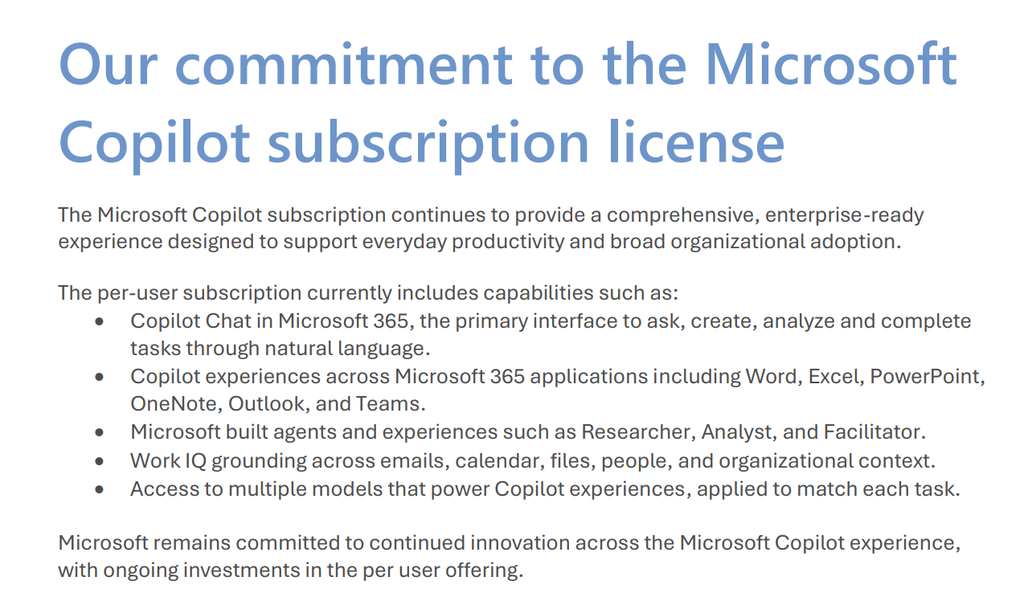
GA agents like Researcher, Analyst and Facilitator will surely remain included in the Copilot premium subscription. It’s a whole different question whether the Frontier agents like App Builder or Workflows would be something that a flat monthly fee for Copilot would cover in the future. Making these experiences meet the expectations of customers probably means they’ll have to use more tokens and modern agentic harnesses, thus leading to an AI Credits based licensing model.